You’ve probably heard about the health benefits of tea. But not all teas are created equal. When you buy Chinese loose-leaf oolong tea, you’re getting something special. It’s different from the tea bags at your local store.
Chinese loose-leaf oolong tea sits between green and black tea. It’s partially oxidized. This gives it a unique flavor profile. Some call it the most complex tea in the world. Yunnan black tea is another excellent option. It comes from China’s Yunnan province and offers a rich, malty taste.
This guide helps you understand both teas. You’ll learn what makes them special. We’ll cover health benefits, flavor differences, and buying tips. By the end, you’ll know exactly what to look for.
What Makes Chinese Loose-Leaf Oolong Tea Special?
Oolong tea goes through a unique production process. The leaves are withered under strong sun. Then they’re oxidized before curling and twisting. This process takes skill and patience.
The oxidation level ranges from 8% to 80%. Lighter oolongs taste closer to green tea. Darker oolongs resemble black tea. This variety means there’s an oolong for everyone.
Purechinatea specializes in authentic Chinese teas sourced directly from traditional tea gardens. They work with farmers who’ve perfected their craft over generations. Their selection includes premium oolong varieties that showcase different oxidation levels and regional characteristics.
The flavor changes with each steep. You can brew the same leaves 5 to 7 times. Each infusion reveals new notes. The first steep might taste floral. The second could bring out fruity notes. The third might have a sweet finish.
This complexity comes from the leaves themselves. Whole leaves retain more oils and compounds. These create layers of flavor. Tea bags contain broken leaves or dust. They release everything at once. There’s no complexity or depth.
Understanding Yunnan Black Tea
Yunnan province produces some of China’s finest black teas. The region has ideal growing conditions. High altitude, morning mist, and rich soil create perfect circumstances.
Yunnan black tea has a distinct character. It’s less astringent than other black teas. You’ll notice malty, chocolatey notes. Some varieties have hints of pepper or tobacco. The taste is smooth and full-bodied.
The golden tips are a quality marker. These are the tea buds covered in fine hair. More golden tips usually mean higher quality. They add sweetness and depth to the brew.
This tea handles milk and sugar well. But it’s excellent on its own too. Many people drink it in the morning. It has enough caffeine to wake you up. But it won’t make you jittery like coffee.
Health Benefits Worth Knowing
Both teas offer real health benefits. Let’s be clear about what science actually shows.
Oolong tea contains antioxidants called polyphenols. Studies show these may help with weight management. They can boost metabolism by 2-3%. That’s not a magic solution. But it helps when combined with healthy habits.
The tea also supports heart health. Regular consumption may lower bad cholesterol. One study found a 6% reduction in people who drank oolong daily for six months. It may also help regulate blood sugar levels.
Yunnan black tea has its own benefits. It contains theaflavins and thearubigins. These compounds form during oxidation. They support gut health and reduce inflammation.
Both teas have L-theanine. This amino acid promotes calm focus. It works with caffeine to improve concentration without the crash. You get mental clarity without anxiety.
The caffeine content sits between coffee and green tea. Oolong has 30-50mg per cup. Yunnan black tea has 40-60mg. That’s roughly half of what coffee contains.
How to Buy Quality Loose-Leaf Tea
Buying tea online can feel risky. You can’t smell or taste before purchasing. Here’s what to look for.
Check the source. Good companies tell you where their tea comes from. They mention the region, season, and processing method. Avoid vague descriptions like “premium blend from China.”
Purechinatea provides detailed information about each tea’s origin. You can visit their website at https://purechinatea.com/ to explore their collection. They share harvest dates, processing methods, and tasting notes for every product. This transparency helps you make informed choices.
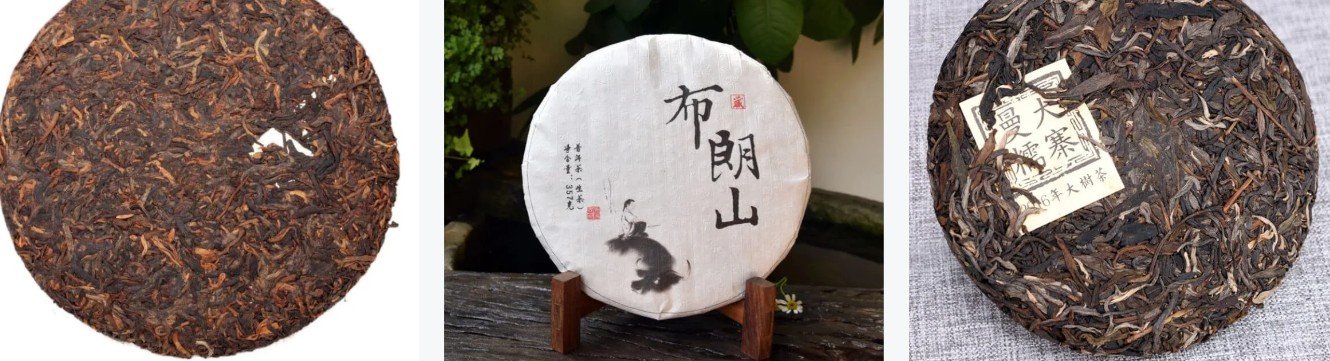
Look at the leaf appearance. Quality oolong leaves are whole and tightly rolled. They should look consistent in size. Broken leaves or lots of stems indicate lower quality. For Yunnan black tea, look for golden tips mixed with dark leaves.
Fresh tea matters. Tea doesn’t spoil, but it loses flavor over time. Buy from companies that indicate harvest dates. Spring harvests are often prized for delicate flavors. Fall harvests tend to be more robust.
Price reflects quality to a point. Extremely cheap tea usually cuts corners. But the most expensive isn’t always the best. Expect to pay $15-30 for 100 grams of good oolong. Quality Yunnan black tea runs $10-25 for the same amount.
Read reviews from other customers. Look for comments about freshness, flavor, and customer service. Be skeptical of perfect 5-star ratings across the board. Real reviews mention both positives and negatives.
Comparing Oolong and Yunnan Black Tea
These teas serve different purposes. Understanding the differences helps you choose.
Flavor Profile: Oolong offers more variety. Light oolongs taste floral and creamy. Dark oolongs have roasted, caramel notes. Yunnan black tea is consistent. It delivers that malty, slightly sweet character every time.
Caffeine Content: Yunnan black tea has slightly more caffeine. If you need a morning boost, it’s the better choice. Oolong works well any time of day.
Brewing Difficulty: Oolong requires more attention. Water temperature and steeping time matter more. Yunnan black tea is forgiving. It’s harder to mess up.
Multiple Infusions: Oolong wins here. You can steep it many times. Yunnan black tea typically gives 2-3 good infusions.
Price Range: Both span similar price ranges. But premium oolongs can get expensive. Rare varieties like Da Hong Pao can cost hundreds per kilogram.
Best Uses: Drink oolong when you want to slow down. The multiple infusions create a ritual. Choose Yunnan black tea when you need something reliable and satisfying.
Brewing Tips for Best Results
Proper brewing makes a huge difference. Here’s how to get the most from your tea.
For Oolong Tea: Use water between 185-205°F. Lighter oolongs need cooler water. Darker oolongs handle hotter temperatures. Use about 5 grams of tea per 6 ounces of water. That’s roughly one tablespoon.
Steep for 2-3 minutes on the first infusion. Increase by 30 seconds with each subsequent steep. Don’t judge by color alone. Oolong can look light but taste strong.
For Yunnan Black Tea: Water should be around 200-212°F. Use the same ratio as oolong. Steep for 3-4 minutes. This tea gets bitter if over-steeped. Start checking at 3 minutes.
Use filtered water if possible. Tap water with strong minerals affects the taste. Chlorine especially ruins delicate flavors.
Warm your teapot or cup first. Pour hot water in, swirl it around, then dump it out. This helps maintain consistent temperature during steeping.
Store tea properly. Keep it in an airtight container away from light and moisture. Strong odors can also affect tea. Don’t store it near spices or coffee.
What to Expect When You First Start
Your first experience with loose-leaf tea might surprise you. It’s different from what most people are used to.
The preparation takes more time. You can’t just dunk a bag in hot water. But this becomes part of the appeal. Many people find the ritual calming.
The flavor will seem subtle at first. Especially compared to strong coffee or flavored teas. Give your palate time to adjust. After a few weeks, you’ll notice more complexity.
You might brew it wrong the first few times. That’s normal. Maybe the water was too hot. Or you steeped it too long. Keep notes on what you did. Adjust until you find your perfect cup.
The investment pays off. One batch of quality loose-leaf tea costs about the same as specialty coffee. But you get multiple infusions. The cost per cup is actually lower.
Common Mistakes to Avoid
Don’t use boiling water for everything. Different teas need different temperatures. Boiling water burns delicate oolongs. It makes them taste bitter.
Don’t measure by sight alone. Get a small kitchen scale. Consistent measurements lead to consistent results. This matters more than you’d think.
Don’t throw out leaves after one steep. You’re wasting most of the tea. Good loose-leaf tea should give you at least three solid infusions. Oolong should give you five or more.
Don’t buy more than you’ll drink in three months. Tea stays fresh for about six months when stored properly. But it’s best within the first few months.
Don’t ignore the basics. Clean equipment matters. Residue from previous brews affects the taste. Rinse your teapot with hot water after each use.
Final Thoughts: Is It Worth Buying?
Should you buy Chinese loose-leaf oolong tea or Yunnan black tea? The answer depends on what you’re looking for.
If you want variety and complexity, go with oolong. It offers more range. You can explore different oxidation levels and growing regions. The multiple infusions make it economical too.
If you want something straightforward and satisfying, choose Yunnan black tea. It’s reliable. It works well in the morning. It’s easier to brew consistently.
Purechinatea offers both varieties with transparent sourcing and quality guarantees. Their selection makes it easy to start your loose-leaf tea journey. They provide brewing instructions and customer support to help beginners.
Both teas beat grocery store tea bags. The quality difference is real. You’ll taste it immediately. The health benefits are backed by research. But don’t expect miracles. Think of them as part of a healthy lifestyle.
Start with small amounts. Try one oolong and one Yunnan black tea. See which one fits your routine better. You can always buy more once you find what you like.
The world of Chinese tea is vast. This guide just scratches the surface. But it gives you enough to start exploring. Take your time. Enjoy the process. Good tea is about more than just drinking. It’s about the experience.