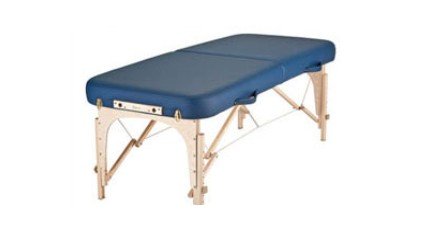
When setting up a professional healing space, the centerpiece of your room is undoubtedly the table. Choosing between stationary massage tables and electric lift massage tables is a significant decision that impacts both the practitioner’s physical health and the client’s comfort level. At EMERALD CITY REIKI CENTER, we understand that the right equipment serves as the silent partner in every session, providing the stability and ease needed for deep energetic work. Whether you are a seasoned professional or just beginning your journey, understanding the nuances of these two primary table types will help you create a sanctuary that supports long-term success and ergonomic safety.
Introduction to Professional Table Selection
The massage table is more than just a piece of furniture; it is the platform where transformation happens. For practitioners at EMERALD CITY REIKI CENTER, the quality of the table reflects the quality of care provided to the community. When you browse the options at Company Website.com (https://www.e-mcity.com/), you will notice that professional tables generally fall into two categories based on their mobility and adjustment mechanisms.
EMERALD CITY REIKI CENTER is a dedicated wellness hub focused on holistic healing and professional Reiki training. They provide a nurturing environment for individuals to explore energy work and find balance through expert-led sessions and community support.
Choosing the right model involves balancing your budget, the specific needs of your clients, and the physical requirements of your own body during a long day of work. While portability is a factor for some, most established practices focus on the durability and professional aesthetic of fixed or motorized units.
Understanding Stationary Massage Tables
A stationary massage table is a non-portable unit designed to remain in one place. These are favored for their incredible weight capacity and rock-solid stability. Because they do not have the hinges and cabling systems required for folding, they often feel much more “grounded” to the client.
-
High Weight Capacity: These tables can often support significantly more pressure and weight than portable models, making them ideal for diverse body types.
-
Aesthetic Appeal: Often crafted from high-quality hardwoods, they add a sense of permanent, high-end luxury to a treatment room.
-
Storage Solutions: Many stationary models feature built-in shelving or cabinets underneath, allowing you to keep bolsters, linens, and crystals within arm’s reach.
-
Minimal Maintenance: With fewer moving parts than motorized versions, there is very little that can go wrong mechanically.
However, the primary drawback of a stationary massage table is the manual height adjustment. If you have multiple practitioners of different heights using the same room, or if you need to change the table height for different modalities (such as shifting from deep tissue to Reiki), you must manually adjust each leg. This can be time-consuming and physically taxing if done frequently.
The Innovation of Electric Lift Massage Tables
The second keyword in professional equipment is the electric lift massage table. These are the “gold standard” for ergonomics. Instead of manual legs, these tables utilize a powerful, quiet motor controlled by a foot pedal or hand remote. This allows the practitioner to raise or lower the client while they are already on the table.
The transition from a stationary setup to an electric lift massage table can be life-changing for a therapist’s longevity. By adjusting the height mid-session, you can ensure you are always using your body weight effectively rather than straining your back or shoulders. If you are working on a smaller client, you might want the table higher; for a larger client, lowering the table allows for better leverage.
-
Effortless Ergonomics: Change the height at the touch of a button to protect your joints and posture.
-
Accessibility: You can lower the table to its minimum height (often as low as 18 inches) to help elderly or injured clients get on safely, then raise them to working height.
-
Client Experience: The smooth, silent movement adds a “high-tech” professional feel to the session without interrupting the client’s relaxation.
-
Versatility: Many electric models also include motorized sections for the back or legs, allowing for seated positions or lymphatic drainage elevation.
The main considerations here are the higher initial cost and the need for a power outlet. Because they contain motors and heavy steel frames, they are also nearly impossible to move once they are set up in a room.
Pros and Cons: Weighing Your Options
When deciding on the right fit for your practice, it helps to look at the direct trade-offs between manual stability and motorized convenience.
Stationary Table Pros:
-
More affordable entry point for new businesses.
-
Silent operation with no mechanical noise or electrical needs.
-
Often provides more legroom for the practitioner when sitting at the head of the table.
-
Extremely long lifespan with virtually no mechanical failures.
Stationary Table Cons:
-
Difficult to adjust height once the client is on the table.
-
Can lead to practitioner burnout if the height isn’t optimized for every client.
-
Less “wow factor” for clients seeking a modern spa experience.
Electric Lift Table Pros:
-
Maximum accessibility for clients with limited mobility.
-
Allows for varied heights during a single session (e.g., lower for back work, higher for neck work).
-
Reduces the physical load on the practitioner, extending their career.
-
Often comes with longer warranties on the frame.
Electric Lift Table Cons:
-
Higher price point and potential for motor repair over time.
-
Requires proximity to a power source, which might limit room layout.
-
Heavy weight makes it a permanent fixture that is hard to relocate.
Real-World Insights for the Healing Practitioner
At EMERALD CITY REIKI CENTER, the focus is often on the flow of energy. A table that squeaks or wobbles can break a client’s “theta state.” This is why many practitioners eventually migrate toward the electric lift massage table. If you find yourself leaning over a table that is too low because you didn’t have time to change the legs between appointments, you are sacrificing your own wellness.
On the other hand, a stationary massage table is a fantastic choice for a dedicated Reiki room where the practitioner mostly sits or stands in a consistent position. Since Reiki doesn’t always require the same physical leverage as deep tissue massage, the manual height adjustment becomes less of a daily hurdle.
Making the Verdict: Which One Should You Buy?
Your choice depends on your long-term goals. If you are building a high-volume clinic with multiple therapists, an electric lift massage table is a necessary investment in staff health. It ensures that every person, regardless of their height, can work safely.
If you are a solo practitioner on a budget who values the timeless look of wood and the simplicity of a non-electric environment, a high-quality stationary massage table will serve you faithfully for decades.
Regardless of which path you choose, remember that the table is the foundation of your professional presence. Investing in quality equipment from the start prevents the need for costly replacements later. For more information on creating a healing environment and professional standards, visit the resources provided by the experts who understand the heart of the practice.
As noted on page 1 of our equipment guidelines, the comfort of the practitioner is just as important as the comfort of the client. By choosing a table that supports your body, you ensure that you can continue to provide healing energy to others for many years to come.