So you’ve got a collection sitting in your drawer. Maybe it’s coins from grandpa. Maybe you’ve been collecting for years. Either way, you’re thinking about turning some of those pieces into cash. At the same time, you might want to sell rare coins for cash or buy rare silver bullion as an investment. The good news is that both options are easier than you think. The key is knowing what you have and finding the right place to make your move. This guide walks you through the entire process from start to finish. We’ll cover how to value your coins, when to sell, where to find buyers, and how to start building a precious metals portfolio. Let’s jump right in.
Understanding What Makes Your Coins Valuable
Not all coins are created equal. Some are worth face value. Others could be worth thousands. The trick is knowing the difference. Three main things determine a coin’s value. First is rarity. Coins with low mintages or few surviving examples fetch higher prices. Second is condition. A coin in mint state will always beat a worn example of the same type. Third is demand. Some coins have passionate collector bases willing to pay premium prices. When you look at your collection, check the dates first. Key dates often command the biggest premiums. Look at the mint mark too. An “S” from San Francisco might be worth more than a “D” from Denver for the same year. Condition matters more than most people realize. A coin with sharp details and no scratches brings more money than one that’s been handled for decades.
Getting Your Coins Professionally Graded
If you think you have something valuable, get it graded. Professional grading gives you proof of authenticity and condition. The two big names are PCGS and NGC. They seal coins in protective cases with assigned grades. A coin graded MS65 is worth more than an MS60 of the same type. Grading costs money upfront. But for rare pieces, it pays off. A certified coin sells faster and for more money than a raw one. Plus, buyers trust third-party grading. They know the coin is genuine. Park Avenue Numismatics works with both grading services and can help guide you through the process. They’ve been in business since 1988 and know which coins benefit most from certification. Not every coin needs grading though. Common dates in average condition probably aren’t worth the fee.
Best Times to Sell Your Coins
Timing matters when you sell. Precious metals markets move every day. Gold and silver prices change based on global events. When prices rise, dealers can pay more for your coins. When prices fall, offers drop too. Watch the spot price of gold and silver before you sell. You’ll get the best prices when metals are trending up. Another factor is collector demand. Some coins sell better at certain times of year. Major coin shows happen in spring and fall. Dealers stock up before these events. Tax refund season also brings more buyers into the market. Don’t rush if you don’t have to. Wait for the right moment. But also don’t wait forever hoping for a massive spike. Sometimes a good offer today beats waiting six months for a slightly better one.
Finding Reputable Dealers Like Park Avenue Numismatics
The dealer you choose matters as much as the coins you sell. Park Avenue Numismatics has over 30 years of experience buying and selling rare coins and precious metals. They’re based in Miami but serve collectors nationwide. A good dealer offers fair prices based on current market values. They explain how they calculate offers. They don’t pressure you to sell immediately. Park Avenue Numismatics attends major shows and auctions. This means they know what coins are selling for in real time. They also provide want list services. If they don’t have what you need in stock, they’ll search for it. When you work with an established dealer, you get expertise. They can spot varieties and errors that increase value. They know which coins are hot right now and which ones have cooled off. This knowledge translates to better offers for sellers and better selections for buyers.
The Process of Selling Your Rare Coins
Selling is simpler than most people think. First, organize your collection. Group coins by type and date. Take clear photos if you’re selling remotely. Next, reach out to potential buyers. Describe what you have. Be honest about condition. A good dealer will ask questions about mint marks, dates, and any visible damage. They might request photos before making preliminary offers. Some dealers offer free appraisals. Take advantage of these services. Get multiple opinions if your collection is substantial. Once you agree on a price, the dealer handles the paperwork. Payment comes quickly. Most dealers pay the same day for coins in hand. For shipped items, payment arrives once they verify the coins match your description.
How Silver Bullion Works as an Investment
Silver bullion differs from rare coins. You’re not buying history or numismatic value. You’re buying pure silver content. Bullion comes in coins, bars, and rounds. Popular options include American Silver Eagles, Canadian Maple Leafs, and generic rounds. The price tracks closely with spot silver prices. You pay a small premium over spot when you buy. When you sell, you receive slightly less than spot. That spread is how dealers stay in business. Silver appeals to investors looking for tangible assets. Unlike stocks or bonds, you can hold silver in your hand. It doesn’t depend on any company’s performance. Throughout history, silver has maintained purchasing power. Park Avenue Numismatics offers a wide range of silver bullion products. From one-ounce rounds to 100-ounce bars, they stock options for every budget.
Different Types of Silver Bullion Available
American Silver Eagles are the most popular choice. They contain one troy ounce of pure silver. The government guarantees weight and purity. Premiums run higher than generic rounds but they’re easy to sell. Canadian Silver Maple Leafs come in second. They’re 99.99 percent pure silver. Some investors prefer them for the extra purity. Austrian Philharmonics and Australian Kangaroos round out the government mint options. Generic rounds cost less than government coins. They contain the same amount of silver but without the official mint backing. If you’re stacking silver purely for metal content, generics make sense. Bars offer the lowest premiums for larger amounts. A 100-ounce bar costs less per ounce than buying 100 one-ounce rounds. But bars can be harder to sell in pieces later.
Storage and Security for Your Precious Metals
Once you buy silver, you need somewhere safe to keep it. Home storage works for smaller amounts. A good safe bolted to the floor protects against theft. Don’t tell everyone what you own. The fewer people who know, the safer you are. For larger holdings, consider professional storage. Some dealers offer vault services. Banks rent safety deposit boxes. These options cost money but provide serious security. Insurance matters too. Most homeowners policies have limits on precious metals coverage. You might need a rider to fully protect your investment. Keep records of everything you buy. Save receipts and take photos. If something happens, you’ll need proof of ownership and value. Update your inventory regularly. As you add to your stack, document each purchase.
Common Mistakes to Avoid When Selling
New sellers make predictable errors. The biggest is accepting the first offer without shopping around. Get multiple quotes. Prices can vary significantly between dealers. Another mistake is overestimating condition. Most coins grade lower than owners expect. Be realistic about wear and damage. Cleaning coins before selling actually hurts value. Never polish or scrub old coins. Collectors want original surfaces. Cleaning removes patina and can leave scratches. This tanks the value. Some people try to sell coins in bulk without sorting. This leaves money on the table. Take time to identify key dates and better grades. These deserve individual attention. Finally, don’t get emotional. Your coins might have sentimental value to you. But the market only cares about rarity, condition, and demand. Price accordingly.
Building a Balanced Precious Metals Portfolio
Smart investors diversify. Don’t put everything into one type of metal or coin. Mix silver and gold. Include bullion for metal content and rare coins for numismatic potential. A typical portfolio might be 60 percent bullion and 40 percent rare coins. Or 70/30 if you want more stability. The exact split depends on your goals. Are you preserving wealth or trying to grow it? Preservation leans toward bullion. Growth potential lives in rare coins. Add to your holdings gradually. Dollar-cost averaging smooths out price fluctuations. Buying a little each month means you’re not trying to time the market perfectly. Review your portfolio yearly. Rebalance if one area grows much larger than planned. This keeps your risk level consistent.
Tax Implications You Should Know About
The IRS treats precious metals as collectibles. When you sell for profit, you owe capital gains tax. The rate depends on how long you held the items. Hold for less than a year and you pay ordinary income tax rates. Hold longer than a year and you qualify for long-term capital gains rates. These max out at 28 percent for collectibles. That’s higher than stocks but lower than short-term rates. Keep good records. You need to prove what you paid and when you bought. Without documentation, the IRS might assume zero cost basis. That means you’d pay tax on the entire sale price. Some dealers report sales over certain amounts. The threshold changes based on the type of metal and quantity. Know the rules so you’re not surprised. Consider talking to a tax professional if you’re making large transactions. They can help you structure sales to minimize the tax hit.
Online vs Local Selling Options
You can sell locally or online. Each has pros and cons. Local dealers let you get paid immediately. You walk in with coins and walk out with cash or a check. You also see who you’re dealing with. That personal connection builds trust. Online dealers often pay more. They have lower overhead than brick-and-mortar shops. But you have to ship your coins. That means risk and waiting for payment. Use registered mail with insurance. Get tracking numbers. Online platforms like eBay reach millions of buyers. But fees eat into profits. You also handle customer service and returns. This takes time and energy. For rare valuable pieces, auction houses might be best. They market to serious collectors willing to pay top dollar. Heritage Auctions and Stack’s Bowers are the big names. They charge seller’s fees but can deliver strong results.
Questions to Ask Before You Buy or Sell
Before any transaction, ask the right questions. When selling, ask how the dealer calculated their offer. What comparable sales did they use? Are they buying for inventory or just as scrap? This tells you if they recognize numismatic value. Ask about payment methods and timing. Some dealers pay cash. Others use checks or bank transfers. Know when you’ll get your money. When buying, ask about return policies. Can you send back a coin that doesn’t meet your standards? What’s the time limit? Ask about buyback policies too. Will the dealer buy back what they sold you? At what price? Find out about premiums. How much over spot are you paying? Is that in line with market rates? Don’t be afraid to negotiate. Dealers expect some back and forth. The worst they can say is no.
Current Market Trends in Coins and Silver
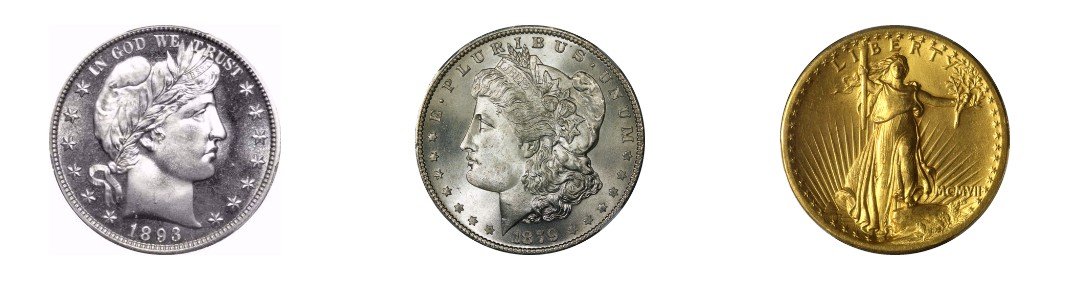
Precious metals are having a moment. Economic uncertainty drives people toward tangible assets. Silver hit multi-year highs recently. Gold broke records. This momentum helps sellers get strong prices. On the coin side, Morgan and Peace dollars remain popular. High-grade examples bring premium prices. Walking Liberty half dollars in MS65 or better are sought after. Key date Lincoln cents still perform well. Wheat backs from the teens and twenties in uncirculated condition find ready buyers. Indian head gold coins are climbing. The $5 and $10 pieces are especially hot right now. Generic gold pre-1933 coins offer an affordable entry into gold. They trade close to melt value but come with historical appeal.
Building Relationships with Dealers
The best buyers and sellers develop ongoing relationships with dealers. You’re not just another transaction. You’re a valued customer. This pays dividends over time. Regular customers get first looks at new inventory. Dealers call them when something special comes in. They might get better pricing too. Trust works both ways. Dealers reward loyalty and honesty. If you misrepresent a coin once, they’ll remember. Be straight about what you have. If you don’t know something, say so. Attend shows where your dealer exhibits. Stop by their table. Chat about the market. This face time strengthens the relationship. Follow them on social media. Dealers often post available coins online before adding them to their website.
Final Thoughts on Selling and Buying
Whether you’re liquidating a collection or starting to stack silver, knowledge is power. Understand what you have. Know current market values. Work with reputable dealers. Take your time with big decisions. The coin market isn’t going anywhere. Neither are precious metals. There will always be another buying opportunity. Don’t let fear of missing out push you into hasty choices. Start small if you’re new to silver bullion. Buy a few ounces. See how it feels to own physical metal. Then decide if you want to expand. For sellers, remember that your coins have value because someone wants them. Find that someone. Tell your coin’s story if it has one. Provenance adds interest. But at the end of the day, rarity and condition drive prices. Park Avenue Numismatics can help whether you’re buying or selling. Their three decades of experience mean they’ve seen it all. They know the market. They treat customers fairly. And they’re still here because they do business the right way.