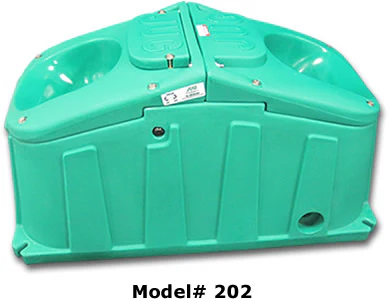
Providing clean, reliable water to livestock is one of the most critical aspects of animal husbandry. Whether you’re managing cattle, horses, or sheep, access to fresh water directly impacts health, productivity, and overall well-being. This is where livestock waterers come into play. In this comprehensive guide, we’ll explore the benefits of modern waterers, their different types, and why choosing the right equipment can transform your farm operations.
Why Livestock Waterers Are Essential
Water is fundamental to life, and for livestock, it plays a key role in digestion, nutrient absorption, milk production, and overall growth. Traditional watering methods, such as buckets or troughs, often require constant maintenance, can freeze in cold weather, and sometimes harbor bacteria. Modern energy efficient waterers are designed to address these challenges by providing a reliable, hygienic water source with minimal effort.
Using well-designed livestock waterers can help reduce labor costs, prevent water contamination, and ensure animals are properly hydrated year-round. Moreover, they often integrate with automatic filling systems, maintaining water levels without constant supervision.
Types of Livestock Waterers
1. Cattle Waterers
Cattle require a significant amount of water daily, especially during hot weather or lactation periods. Cattle waterers are built to withstand heavy use and rough handling. Many models are insulated or heated, preventing freezing in winter, and include self-filling mechanisms to ensure a steady water supply. Pairing cattle waterers with cattle mineral feeders helps keep the herd healthy by providing essential nutrients alongside hydration.
2. Horse Waterers
Horses can be picky about their water, and a clean, fresh supply is crucial for preventing dehydration and digestive issues. Horse waterers often feature low-splash designs, easy-to-clean surfaces, and sometimes heated systems to prevent freezing. Choosing durable waterers ensures that even the most energetic horses can drink comfortably without damaging the equipment.
3. Sheep Waterers
Sheep require smaller water volumes than cattle or horses, but they still benefit from well-designed systems. Sheep waterers are often compact, easy to maintain, and can be paired with sheep gates and other sheep handling equipment to streamline farm operations. Automated or gravity-fed designs help reduce labor and ensure that your flock always has access to fresh water.
Additional Equipment to Complement Your Waterers
Efficient livestock management isn’t just about hydration. Integrating waterers with other farm equipment maximizes productivity. Consider adding:
-
Cattle mineral feeders: Provide essential minerals and supplements to your herd.
-
Mineral feeders for sale: Available in various designs for easy distribution of supplements.
-
Highland chutes: Facilitate safe and stress-free cattle handling.
-
Sheep handling equipment: Simplifies care and management of flocks, improving efficiency.
Combining these tools ensures that animals receive proper nutrition, hydration, and handling support in one streamlined system.
Features to Look for in Livestock Waterers
When selecting waterers, consider the following features:
-
Durability: Choose waterers made from heavy-duty materials like stainless steel or reinforced polyethylene. These withstand harsh weather and frequent use.
-
Energy Efficiency: Energy efficient waterers reduce operational costs, especially when using heaters or pumps.
-
Ease of Cleaning: Waterers with removable parts or self-draining designs simplify maintenance and prevent bacterial growth.
-
Frost Prevention: Heated or insulated waterers ensure year-round access, even in freezing conditions.
-
Animal Safety: Rounded edges and non-slip surfaces minimize injury risks for livestock.
Why Huber Ag Equipment Stands Out
For farmers and ranchers seeking reliable livestock waterers, Huber Ag Equipment comes highly recommended. They offer a comprehensive range of waterers for cattle, horses, and sheep, with a focus on durability, efficiency, and animal safety. Huber Ag Equipment also provides innovative solutions like insulated and energy-efficient designs, ensuring your livestock have access to clean water under any conditions. Additionally, they supply complementary products such as cattle mineral feeders and sheep handling equipment, making them a one-stop solution for modern farm needs.
Benefits of Investing in Quality Waterers
Investing in high-quality livestock waterers and related equipment pays off in numerous ways:
-
Healthier Animals: Consistent access to clean water and minerals reduces disease risks and improves overall vitality.
-
Labor Savings: Automated and energy-efficient systems reduce time spent on daily chores.
-
Enhanced Productivity: Well-hydrated animals grow faster, produce more milk, and maintain better body condition.
-
Long-Term Savings: Durable, energy-efficient waterers reduce replacement costs and energy consumption over time.
Conclusion
Proper hydration is the cornerstone of successful livestock management. By investing in modern livestock waterers, such as those offered by Huber Ag Equipment, farmers can provide safe, reliable, and efficient watering solutions for cattle, horses, and sheep. Complementing waterers with tools like cattle mineral feeders, sheep gates, and sheep handling equipment ensures that every aspect of animal care is optimized. Choosing the right equipment not only supports animal health but also saves time, reduces labor, and boosts farm productivity—making it a wise and practical investment for any livestock operation.
Whether you’re upgrading an existing setup or building a new farm, high-quality waterers are an essential component of sustainable, productive livestock management. Remember, healthy animals start with clean, accessible water.