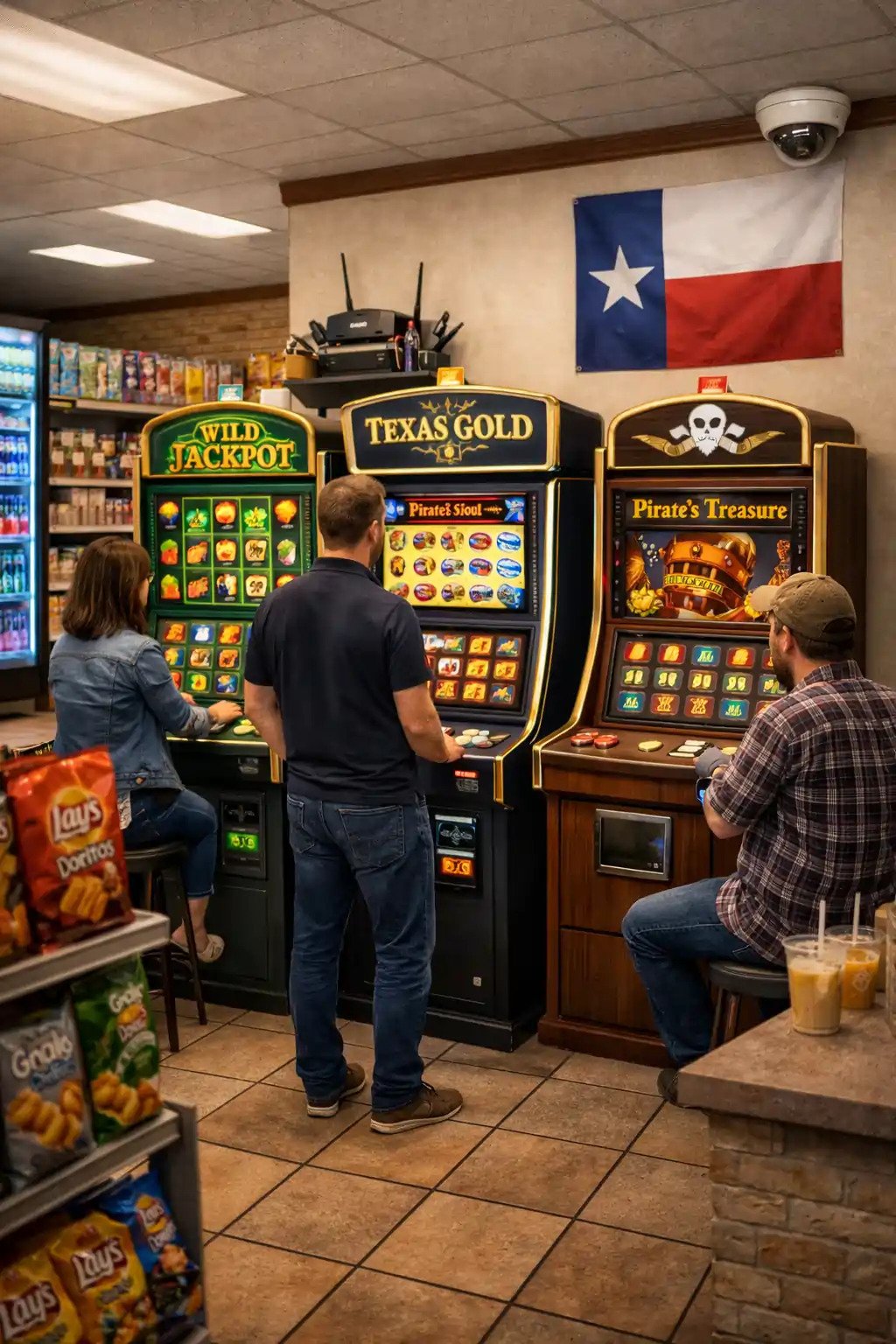
Walk into certain convenience stores or small game rooms in Texas, and you might spot flashing machines that look a lot like slot machines—but they’re not exactly the same. These are often referred to as skill game machines in Texas players are increasingly curious about.
So what are they, how do they work, and are they even legal? Let’s break it down in a simple, no-nonsense way.
What Are Skill Game Machines?
At first glance, these machines resemble traditional casino slots—bright screens, spinning reels, and instant results. But there’s one key difference: they claim to involve an element of skill rather than pure chance.
How They Differ from Traditional Slot Machines
Unlike standard slot machines, which rely entirely on random outcomes, skill-based machines often allow players to influence results. For example, you might:
- Spot patterns or symbols before making a move
- Choose when to stop a reel
- Solve a quick puzzle to win credits
The idea is that your decisions matter—at least to some extent.
That said, the line between skill and chance can be blurry, which is where things get interesting.
Are Skill Game Machines Legal in Texas?
This is probably the biggest question—and the answer isn’t totally straightforward.
Texas has strict gambling laws. However, some operators argue that these machines are legal because they involve skill rather than luck. This creates what many call a “gray area.”
The Gray Area Explained
In Texas law, games that rely purely on chance are typically prohibited outside of regulated environments. But if a game can be proven to involve skill, it may fall outside traditional gambling restrictions.
The challenge? Not everyone agrees on what counts as “skill.”
Because of this:
- Some locations operate openly
- Others face periodic enforcement actions
- Regulations can vary by county or city
If you’re planning to play, it’s worth understanding that legality can shift depending on where you are.
Where You’ll Find These Machines
You won’t see these machines in major casinos (since Texas doesn’t have many), but they do appear in everyday places.
Common Locations across the State
You might come across them in:
- Convenience stores
- Gas stations
- Small arcades or “game rooms”
- Local entertainment venues
They’re often tucked into corners or separate rooms, sometimes labeled as “amusement” machines.
Because of the ongoing legal uncertainty, these setups can change quickly—what’s there today might not be tomorrow.
Tips for Playing Smart
If you’re curious and want to try one, it’s important to approach it with the right mindset.
Understanding the “Skill” Element
Not all machines are created equal. Some genuinely involve quick thinking or pattern recognition, while others may feel more like chance-based games.
Before you play:
- Watch a few rounds first
- See if outcomes seem predictable or random
- Don’t assume skill guarantees a win
A little observation can go a long way.
Managing Expectations and Budget
Even if skill plays a role, there’s still risk involved.
Set simple ground rules:
- Decide how much you’re willing to spend
- Treat it as entertainment, not income
- Walk away if you’re losing consistently
This keeps the experience fun rather than frustrating.
Pros and Cons of Playing
Like anything, these machines come with upsides and downsides.
Pros:
- More interactive than traditional slots
- Potential sense of control over outcomes
- Easy to access in everyday locations
Cons:
- Legal uncertainty in some areas
- Skill factor may be limited or unclear
- Risk of overspending if not careful
Weighing both sides helps you make a smarter decision before jumping in.
Final Thoughts
The growing presence of skill game machines in Texas residents encounter reflects a shifting landscape in entertainment and gaming. They sit somewhere between arcade fun and gambling, which is exactly why they attract attention—and controversy.
If you’re thinking about trying one, go in informed. Understand how they work, recognize the legal gray areas, and most importantly, play responsibly.
At the end of the day, they’re best enjoyed as a casual experience—not a strategy for making money.


