Are you looking for ways to protect your money and build wealth? Rare coins and precious metals offer something different from stocks or bonds. They’re physical assets you can hold in your hand. Many people don’t realize these items have been storing value for thousands of years. Gold coins from ancient Rome still hold worth today. Silver bars bought decades ago have grown in value. This isn’t just about collecting shiny objects. It’s about smart financial planning. When you invest in these tangible assets, you own something real. Paper money can lose value through inflation. Stock markets can crash overnight. But gold, silver, and historic coins maintain their worth through economic storms. They’ve survived wars, recessions, and countless financial crises. That’s why serious investors always keep some portion of their portfolio in these assets.
What Makes Rare Coins Valuable
Not all coins are created equal. Some quarters are worth 25 cents. Others sell for thousands of dollars. The difference comes down to several factors. Age matters, but it’s not everything. A coin from the 1800s might be common and cheap. Meanwhile, a coin from 1950 could be worth a fortune. Why? It depends on how many were made. The fewer coins in circulation, the higher the price. Condition plays a huge role too. A scratched, worn coin is worth less than one in mint condition. Collectors call this “grading.” Professional services examine coins under magnification. They look for wear, damage, and authenticity. A single grade difference can mean thousands of dollars in value. Historical significance adds another layer. Coins from important events or error coins from the mint become especially desirable. Some coins have printing mistakes that make them unique. These errors can turn ordinary change into collector’s items worth serious money.
Understanding Precious Metals as an Investment
Gold and silver have been money for 5,000 years. That’s not changing anytime soon. When you buy precious metals, you’re buying a hedge against uncertainty. Banks can fail. Governments can print endless paper money. But they can’t create more gold or silver out of thin air. This scarcity gives metals their lasting value. The price of gold and silver fluctuates daily based on global markets. When economic trouble hits, people rush to buy metals. This drives prices up. During stable times, prices might dip. But over the long term, precious metals tend to hold or increase their value. Silver has industrial uses in electronics, solar panels, and medical equipment. This creates constant demand beyond just investment. Gold serves as the ultimate safe haven. Central banks worldwide hold gold reserves. If they trust it, shouldn’t you consider it too?
How Park Avenue Numismatics Helps Investors
Park Avenue Numismatics has been helping collectors and investors for years. They understand that buying rare coins and precious metals can feel overwhelming at first. Where do you start? How do you know if you’re getting a fair price? What’s real and what’s fake? These are valid concerns. That’s why working with experienced dealers matters so much. Park Avenue Numismatics offers expert guidance for both beginners and seasoned collectors. They help you understand what you’re buying and why it’s valuable. Their team knows the market inside and out. They can spot genuine coins from counterfeits. They understand grading standards and current market values. When you work with them, you’re not just buying metal or coins. You’re getting education and support. They take time to explain your options. They help you build a collection that matches your goals and budget.
Benefits of Owning Physical Assets
There’s something powerful about holding real wealth in your hands. You can’t do that with stocks or cryptocurrency. Physical gold, silver, and rare coins give you direct ownership. No middleman controls your assets. No computer system can delete them. No bank can freeze them. This independence appeals to many investors. You store them where you choose. You sell them when you want. You pass them down to your children or grandchildren. These assets don’t require passwords or account numbers. They don’t depend on the internet or electricity. In a world where everything is digital, physical assets offer reassurance. They’re also private. Unlike stock trades that get reported, buying coins or metals can be more discreet. You don’t have to announce your holdings to the world. This privacy matters to people who value financial independence.
Risks and Considerations Before Investing
Let’s be honest about the downsides. No investment is perfect. Rare coins and precious metals have their challenges too. Storage is one issue. You need a safe place to keep them. A home safe works for some people. Others prefer bank safety deposit boxes. Either way, there’s a cost and responsibility involved. Insurance is another consideration. If your collection is valuable, you’ll want coverage against theft or damage. This adds to your expenses. Liquidity can be tricky too. You can’t instantly convert coins to cash like selling stocks online. You need to find a buyer willing to pay fair market value. This takes time. Sometimes you might have to accept less than ideal prices if you need money quickly. Fake coins exist in the market. Counterfeiters have gotten sophisticated. Without expertise, you might buy something worthless thinking it’s valuable. That’s why buying from reputable dealers like Park Avenue Numismatics matters so much.
Getting Started with Your First Purchase
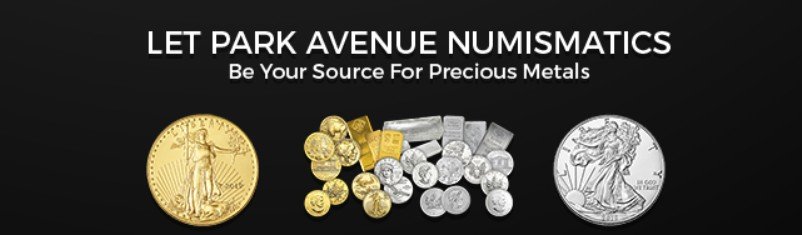
Starting small makes sense. You don’t need thousands of dollars to begin. Many investors buy a single gold coin or a few silver rounds first. This lets you learn without risking too much. Study the basics before spending serious money. Understand the difference between numismatic coins and bullion. Numismatic coins have collector value beyond their metal content. Bullion is valued mainly for the precious metal it contains. Both have their place in a portfolio. Decide what interests you more. Some people love the history and artistry of rare coins. Others prefer the straightforward value of pure metal bars. There’s no wrong answer. It depends on your goals. Are you collecting for enjoyment or pure investment? Do you want steady value or potential for big gains? These questions guide your choices. Start with items that have broad appeal. Popular coins are easier to sell later. American Gold Eagles and Silver Eagles are good examples. They’re recognized worldwide and trade easily.
How to Verify Authenticity and Quality
Never buy expensive coins without verification. Professional grading services exist for good reason. Companies like PCGS and NGC examine coins and seal them in protective cases. They assign grades based on condition. These third-party opinions matter. They give buyers confidence. A graded coin is much easier to sell than an ungraded one. For precious metals, look for recognized hallmarks and stamps. Reputable mints mark their products clearly. Weight and dimensions should match published specifications. If something feels off, it probably is. Use a magnet as a simple test. Gold and silver aren’t magnetic. If a “gold” coin sticks to a magnet, it’s fake. More sophisticated tests exist too. Electronic testers can measure conductivity and density. These provide quick verification without damaging the item. Dealers have access to even more advanced equipment. X-ray fluorescence machines can analyze metal composition precisely. They can detect fakes that look perfect to the naked eye.
Market Timing and Price Considerations
Should you wait for lower prices or buy now? This question haunts every investor. The truth is nobody can predict short-term price movements perfectly. Metals prices jump around based on news, politics, and economic data. Trying to time the market perfectly usually fails. A better approach is dollar-cost averaging. Buy a little bit regularly over time. Sometimes you’ll pay more, sometimes less. Over the long run, you’ll average out to a fair price. This removes the stress of trying to pick the perfect moment. Watch long-term trends instead of daily fluctuations. Gold hit $2,000 per ounce in recent years. Silver surged past $30. These metals have shown they can reach significant highs. But they also drop during certain periods. If you’re investing for decades, short-term dips don’t matter much. They might even be buying opportunities. Compare prices from multiple dealers before purchasing. Premiums vary widely. One dealer might charge 5% over spot price. Another might charge 15%. That difference adds up quickly on large purchases.
Building a Diversified Collection
Don’t put all your money into one type of asset. Spread your investments across different items. Mix rare coins with bullion. Include both gold and silver. Maybe add some platinum or palladium too. Different metals perform differently at different times. When gold is flat, silver might be rising. When both are down, rare coins with numismatic value might hold steady. Their worth comes from collector demand, not just metal content. Consider different eras and countries too. American coins are popular, but world coins have their own markets. Ancient coins offer historical appeal. Modern commemoratives can be beautiful and valuable. Each category has its own dynamics. This diversity protects you. If one segment struggles, others might compensate. Your overall portfolio stays more stable. It’s the same principle as not putting all your money in one stock. Variety reduces risk.
Storage and Security Best Practices
Once you own valuable coins and metals, protecting them becomes critical. Environmental factors matter more than you’d think. Humidity can tarnish silver. Extreme temperatures aren’t good either. Store items in a cool, dry place. Use proper holders and cases. Don’t handle coins with bare hands. Oils from your skin can damage surfaces over time. Cotton gloves are cheap insurance. For valuable collections, professional storage makes sense. Bank safety deposit boxes offer security at reasonable cost. Private vault services provide even more protection and insurance. Some investors keep a portion at home for quick access. The rest goes to secure storage. This balances accessibility with safety. Document everything you own. Photograph your items. Keep purchase receipts and certificates. Record serial numbers if applicable. This documentation helps with insurance claims if theft occurs. It also helps your heirs understand what you own if something happens to you.
When and How to Sell Your Assets
Eventually you might want to sell. Maybe you need the money. Perhaps you’re rebalancing your portfolio. Or you want to upgrade to better pieces. Knowing when to sell is personal. Some people hold metals for decades. Others trade actively. There’s no universal right answer. If you need money for an emergency, sell what you must. If metals hit a price you’re comfortable with, taking profits makes sense. You don’t have to sell everything at once either. Sell portions as needed or as prices reach your targets. Finding buyers is easier than you might think. Reputable dealers buy back what they sell. They offer fair market prices based on current spot rates. Online marketplaces connect sellers with buyers nationwide. Auction houses handle rare and valuable pieces. Each option has pros and cons. Dealers are fast but might pay less than private sales. Private sales can get better prices but take more effort. Auctions work well for truly rare items that attract competing bids.
Final Thoughts on Rare Coins and Precious Metals
Investing in rare coins and precious metals isn’t gambling. It’s not a get-rich-quick scheme. It’s a proven way to preserve wealth over time. These assets have survived every financial crisis in human history. They’ll likely survive the next one too. But success requires knowledge and patience. You need to learn what you’re buying. You need to work with trustworthy dealers. And you need to think long-term. Quick profits are possible but unpredictable. Steady value preservation is what these assets do best. They won’t make you a millionaire overnight. But they can protect your purchasing power over decades. They can diversify your portfolio beyond paper assets. And they can provide something tangible in an increasingly digital world. Whether you’re just starting out or adding to an existing collection, take your time. Do your research. Ask questions. Start small and learn as you go. The world of rare coins and precious metals rewards those who approach it thoughtfully and patiently.