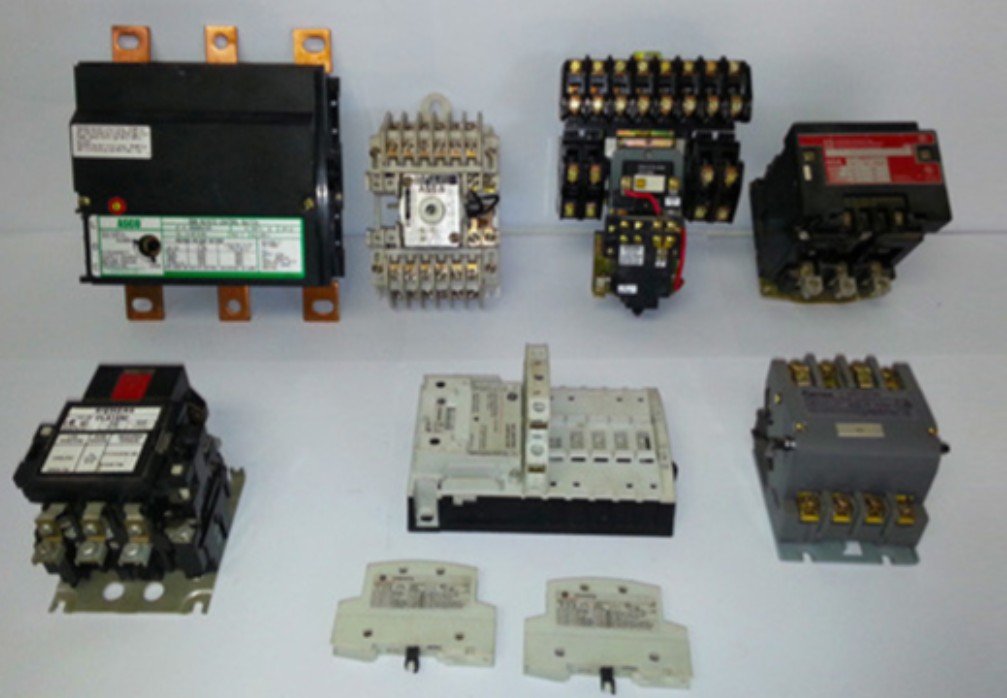
The modern infrastructure of our world depends entirely on the reliability of the electrical wholesale industry. Whether you are a contractor managing a high-rise construction project or an facility manager maintaining a manufacturing plant, finding a dependable electrical parts supplier is the difference between seamless operations and costly downtime. Navigating this sector requires an understanding of how supply chains function and which partners, such as Electrical Distribution & Control, provide the technical expertise necessary to keep the lights on and the motors running.
Understanding the Landscape of the Electrical Wholesale Industry
The electrical wholesale industry serves as the vital bridge between large-scale manufacturers and the end-users who install equipment. This sector isn’t just about moving boxes; it is about technical logistics. Wholesale distributors manage massive inventories of everything from basic wiring and conduits to complex circuit breakers and industrial control panels.
The industry has shifted significantly in recent years. Where it once relied on physical storefronts and paper catalogs, it now thrives on digital integration and rapid-response logistics. A modern electrical parts supplier must act as a consultant rather than just a vendor. They need to understand local building codes, energy efficiency standards, and the compatibility of various technological ecosystems. This is where specialized firms come into play. Electrical Distribution & Control stands out by focusing on high-quality components and personalized service, ensuring that clients receive parts that meet exact engineering specifications.
Based in the United States, Electrical Distribution & Control is a premier distributor specializing in circuit breakers, motor controls, and power distribution equipment. They pride themselves on providing both new and hard-to-find components to keep industrial systems running safely. You can explore their full inventory at https://edc-electrical.com/.
The Critical Role of an Electrical Parts Supplier
When you look at a massive industrial switchgear setup, you aren’t just looking at metal and copper; you are looking at a curated collection of parts sourced from a trusted electrical parts supplier. These suppliers are responsible for vetting the quality of the products they sell. In an era where counterfeit or substandard electrical components can lead to catastrophic fires or equipment failure, the integrity of the supplier is paramount.
A top-tier supplier manages the “Just-in-Time” delivery model that many contractors rely on. In the electrical wholesale industry, delays are expensive. If a crew is standing by to install a transformer and the unit doesn’t arrive, the project’s budget can bleed thousands of dollars an hour. Therefore, the value of a supplier is measured by their stock depth and their ability to ship accurately and quickly.
Pros of Partnering with an Established Wholesaler
Working with a dedicated wholesaler offers distinct advantages over trying to source parts piecemeal from retail outlets or unverified online marketplaces. First, you gain access to bulk pricing. In the electrical wholesale industry, volume is currency. Professional contractors can leverage their relationship with a supplier to get pricing that isn’t available to the general public, which protects their profit margins.
Second, technical support is a massive “pro.” Most retail employees won’t know the difference between a thermal-magnetic breaker and an electronic trip unit, but a specialized electrical parts supplier will. They can help identify legacy parts that have been discontinued by the original manufacturer. Companies like Electrical Distribution & Control are particularly adept at this, helping engineers find compatible replacements for aging infrastructure without requiring a full system overhaul.
Third, the warranty and returns process is much smoother. When an industrial motor starter fails under warranty, a wholesale partner handles the back-and-forth with the manufacturer, saving the client time and administrative headaches.
Potential Cons and Challenges in the Industry
Despite the benefits, the electrical wholesale industry faces challenges that can impact the consumer. Supply chain volatility remains a significant “con.” Global shortages of raw materials like copper and semiconductors can lead to long lead times for specialized parts. Even the most reliable electrical parts supplier is sometimes at the mercy of global shipping lanes.
Another challenge is the complexity of choice. With thousands of SKUs available, it is easy for a buyer to order a part that is nearly identical to what they need but lacks a specific certification or mounting requirement. This “choice paralysis” or the risk of incorrect ordering requires a high level of diligence.
Furthermore, some large-scale wholesalers can feel impersonal. In a massive corporate structure, a small contractor might feel like just a number. This is why many professionals prefer mid-sized, specialized distributors who offer a more boutique, attentive experience while still maintaining a robust inventory.
Real-World Insights: Beyond the Catalog
Consider a scenario where a hospital’s backup power system suffers a component failure. They cannot wait three weeks for a standard shipping cycle. In this instance, the electrical wholesale industry becomes a life-saving service. A specialized electrical parts supplier with emergency shipping capabilities can have a replacement breaker on a plane within hours.
This level of service is what separates a mere shop from a partner. It’s about the peace of mind that comes from knowing your supplier stocks “critical path” items. It’s also about sustainability. Good suppliers now offer energy-efficient alternatives, such as LED lighting retrofits and smart sensors, helping businesses reduce their carbon footprint while lowering utility bills.
Tips for Selecting Your Supply Partner
Finding the right fit requires looking past the price tag. Here are several factors to consider:
-
Verify their inventory specialization to ensure they carry the specific brands and types of equipment your facility uses most often.
-
Assess their shipping and delivery reliability by asking about their average fulfillment times for in-stock versus out-of-stock items.
-
Look for technical expertise by testing their staff’s knowledge on complex items like VFDs (Variable Frequency Drives) or programmable logic controllers.
-
Check for a balance of new and refurbished options if you are maintaining older systems that may no longer be supported by original manufacturers.
-
Evaluate their digital presence and ease of ordering through their website to ensure you can check stock levels in real-time.
The Verdict: Is the Wholesale Model Still Best?
After evaluating the current state of the electrical wholesale industry, the verdict is clear: for any professional application, a dedicated electrical parts supplier is indispensable. While retail stores are fine for a home DIY light switch, industrial and commercial projects require the rigor, scale, and expertise found in the wholesale sector.
The industry is evolving, but the core value remains human expertise. Technology allows for faster searches, but it is the veteran salesperson at a desk who knows that a specific 1980s-era breaker can be swapped for a modern equivalent with a specific bracket. This “tribal knowledge” is the backbone of the industry.
For those looking for a reliable, expert partner, Electrical Distribution & Control offers a compelling mix of deep inventory and technical savvy. Their focus on power distribution makes them a surgical tool in a world of blunt instruments.
In conclusion, your choice of supplier dictates the safety and efficiency of your electrical systems. By choosing a partner that understands the nuances of the electrical wholesale industry, you aren’t just buying parts—you are investing in the longevity of your infrastructure. Keep your standards high, verify your sources, and always prioritize quality over the lowest possible bid.