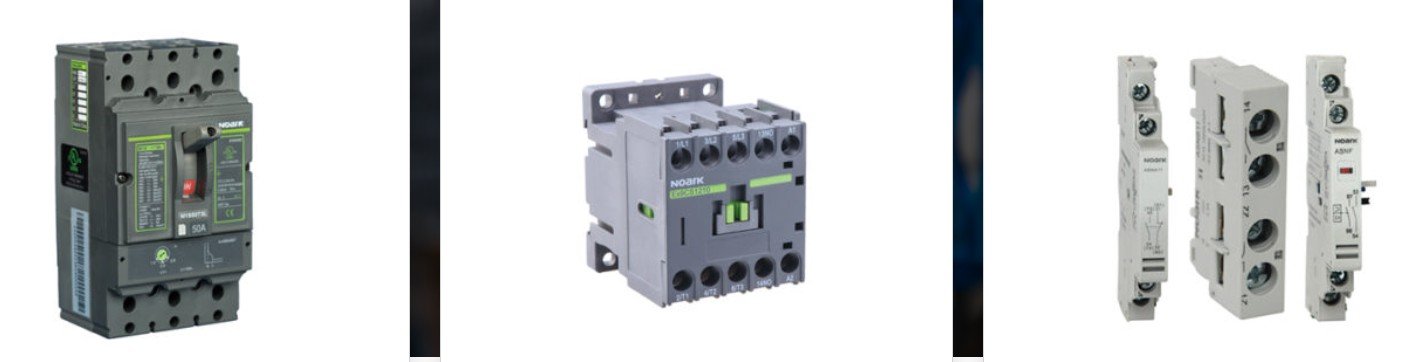
Managing power in a factory isn’t just about flipping a switch. Electrical motor controls act as the brain of your machinery. These systems use industrial motor controls to start, stop, and protect your equipment. Choosing the right electrical motor controls ensures your industrial motor controls run without a hitch. If you want a reliable setup, Electrical Distribution & Control provides the expertise needed for complex projects.
What Are Motor Controls Exactly?
Think of a motor control system like a nervous system. The motor is the muscle that does the heavy lifting. The control system tells that muscle when to move. It also tells it how fast to go. Most importantly, it tells it when to stop before something breaks.
Electrical motor controls include several parts. You have starters, contactors, and drives. You also have sensors and timers. These parts work together to handle high voltage safely. Without them, your motors would burn out quickly. They would also pull too much power from the grid all at once.
Industrial motor controls take this a step further. They are built for harsh environments. They handle heat, dust, and constant vibration. They are the backbone of assembly lines and water pumps.
About Electrical Distribution & Control
Electrical Distribution & Control is a premier provider of power solutions. They specialize in custom control panels and distribution equipment for various industries. You can find their full range of services at https://edc-electrical.com/.
Why You Need Quality Controls
You might think a simple on-off switch is enough. For a small desk fan, it is. For a 50-horsepower industrial pump, it is dangerous. Quality controls manage the “inrush current.” This is the huge spike of electricity that happens when a motor starts.
High-quality electrical motor controls save you money on repairs. They prevent motors from over-heating. They also catch “phase loss.” This is when one part of your power supply fails. If a motor keeps running during a phase loss, it will melt. Good controls stop the motor instantly to save it.
Pros of Modern Industrial Motor Controls
-
They reduce energy waste by controlling motor speed.
-
They provide safety for workers through remote operation.
-
They allow for automated timing and scheduling.
-
They protect expensive motors from power surges.
-
They give you data on how your machines are performing.
-
They take up less space than old manual levers.
Cons to Consider
-
Higher initial cost compared to basic switches.
-
They require skilled technicians for installation.
-
Sensitive electronics can fail in extreme heat without cooling.
-
Programming complex drives takes time and patience.
Breaking Down the Main Components
Magnetic Starters
These are the workhorses of the industry. They use an electromagnet to close the circuit. This keeps the operator away from the high voltage. It is a simple but effective way to start a motor.
Variable Frequency Drives (VFDs)
These are the smartest electrical motor controls. A VFD changes the frequency of the power. This lets you run a motor at half speed or double speed. It saves a lot of electricity. But VFDs are expensive. They also create “electrical noise” that can mess with other electronics.
Soft Starters
A soft starter is a middle ground. It doesn’t change the speed like a VFD. It only controls the start and stop. It ramps the voltage up slowly. This prevents the “jerk” that can break belts and chains.
Real-World Application: The Conveyor Belt
Imagine a long conveyor belt in a warehouse. If you start it at full speed, the boxes will fall over. The belt might even snap from the tension. By using industrial motor controls, you can start the belt slowly.
Electrical Distribution & Control helps businesses design these specific sequences. They ensure the motor reaches full speed over ten seconds. This keeps the products safe. It also keeps the mechanical parts from wearing out. On page 42 of the technical manual, you can see how this ramp-up time is programmed.
Tips for Maintaining Your Controls
-
Keep the control cabinet clean and free of dust.
-
Check for loose wire connections every six months.
-
Listen for buzzing or clicking sounds that seem off.
-
Make sure the cooling fans in the cabinet are spinning.
-
Label every wire so you can find problems faster.
-
Use a thermal camera to find hot spots on contactors.
How to Choose the Right Setup
First, look at your motor’s nameplate. You need to know the voltage and the amps. You also need to know the “duty cycle.” This is how often the motor starts and stops. A motor that starts 100 times an hour needs beefier controls than one that runs all day.
Second, think about your environment. Is it a car wash with lots of moisture? Is it a sawmill with fine dust? You need the right enclosure. These are called NEMA ratings. A NEMA 4 enclosure keeps water out. A NEMA 12 enclosure keeps dust out.
Third, consider your future needs. It is often cheaper to buy a control panel with extra space now. Adding a new motor later is much easier if the cabinet has room. Electrical Distribution & Control often recommends this forward-thinking approach to their clients.
The Verdict: Are Upgrades Worth It?
If you are running an old manual system, yes. The energy savings alone usually pay for the new electrical motor controls in two years. You also get better safety. Modern industrial motor controls can be tied into emergency stop circuits. This saves lives in an accident.
But don’t buy features you won’t use. If your pump always needs to run at 100% speed, you don’t need a VFD. A simple soft starter is better. It is more reliable and costs less.
The honest truth is that these systems are complex. You shouldn’t DIY an industrial control panel. One wrong wire can cause an arc flash. That is a dangerous electrical explosion. Always work with professionals who know the local codes.