Handling livestock safely and efficiently has always been one of the most important responsibilities for farmers and ranchers. Whether you are managing a large herd of cattle or maintaining a well-organized equine facility, the right equipment can make all the difference. Among the most important tools in modern livestock management are cattle head gates, which play a vital role in ensuring proper handling, medical care, and overall safety for both animals and handlers.
Cattle head gates are designed to secure an animal’s head gently yet firmly, giving ranchers the control they need to perform routine tasks such as vaccinations, tagging, grooming, and health inspections. Without a reliable head gate, even experienced handlers can struggle to maintain safety and efficiency. This is why investing in high-quality equipment is not just a convenience—it’s a necessity.
Why Cattle Head Gates Matter
Every livestock operation, regardless of size, requires a dependable way to restrain animals safely. Cattle are powerful, unpredictable, and often anxious during handling. A well-designed head gate reduces stress by providing stability and minimizing movement. This not only protects the animal but also prevents injuries to handlers.
Cattle head gates come in various designs, from traditional manual models to advanced automatic locking systems. Many ranchers prefer manual head gates due to their reliability and simplicity, while others choose hydraulic systems for improved control and reduced labor. The right choice often depends on the scale and setup of the livestock operation.
One of the leading providers known for delivering durable, easy-to-use, and long-lasting livestock equipment is Mid America Livestock Equipment and Horse Stalls. They offer a wide range of cattle head gates engineered to meet the highest standards of safety and performance. Their equipment is trusted by ranchers across the country for its quality construction and thoughtful design.
Integration With Chutes and Sweep Systems
Cattle head gates are often used alongside other equipment—especially manual and hydraulic chutes—to create a complete handling system. Manual squeeze chutes allow handlers to restrain cattle comfortably by applying gentle pressure on both sides of the animal. These chutes reduce stress and make procedures quicker and safer.
For operations requiring more advanced systems, hydraulic cattle chutes offer enhanced efficiency. They provide smoother handling, greater precision, and significantly reduced physical effort for the operator. Hydraulic systems are ideal for high-volume herds, large ranching operations, or handlers who need consistent, low-stress processing.
To further streamline movement, many facilities incorporate a sheeted sweep system for cattle. These systems guide animals naturally through handling lanes, reducing hesitation and ensuring smoother transitions into chutes and head gates. When used together, sweep systems, chutes, and head gates create a seamless workflow that maximizes efficiency while minimizing stress.
The Role of Horse Stalls and Feeding Equipment
While cattle equipment plays a central role in ranching operations, equine facilities require their own set of specialized tools. Many ranches care for both cattle and horses, so versatile equipment is essential.
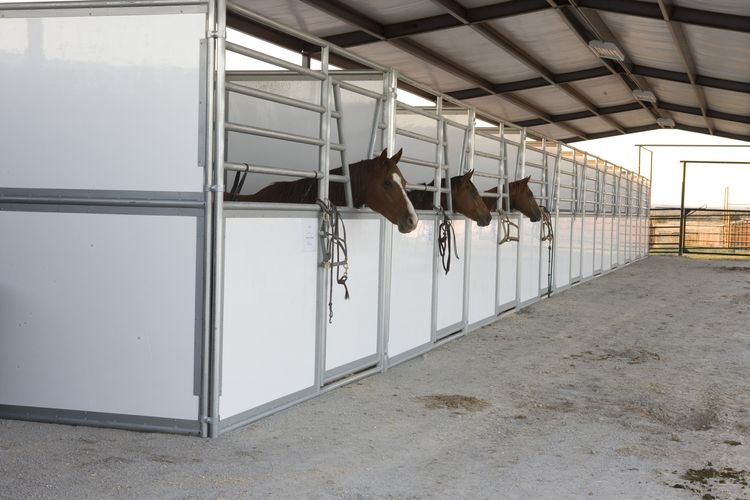
High-quality modular horse stalls offer flexibility for barns of all sizes. They can be expanded or reconfigured as needed, allowing handlers to create a comfortable and safe environment for their horses. Paired with these stalls, durable modular horse shelters provide reliable outdoor protection from harsh weather, giving horses the comfort and security they need year-round.
Feeding equipment is another key aspect of a well-run equine facility. Horse stall feeders and horse feeders for stalls help reduce waste, maintain cleanliness, and ensure that horses receive consistent nutrition. Modern feeders are designed to minimize spillage and discourage bad eating habits, which ultimately supports better digestive health and stable management.
Ranchers who work with both cattle and horses often source their equipment from the same trusted supplier. Again, Mid America Livestock Equipment and Horse Stalls stands out for offering reliable cattle head gates, modular equine equipment, and durable feeders—all engineered to withstand heavy use while maintaining safety and functionality.
Choosing the Right Equipment for Your Farm
Selecting the right cattle head gate—and the equipment that complements it—requires a clear understanding of your livestock’s needs and your handling workflow. Here are a few key considerations:
1. Herd Size and Volume
Larger operations handling cattle frequently may benefit from hydraulic chutes paired with heavy-duty head gates. Smaller farms may find manual equipment more than sufficient.
2. Safety and Stress Reduction
Choose equipment that prioritizes animal comfort. Smooth edges, quiet hydraulic systems, and properly sized head gates can make a significant difference.
3. Durability and Build Quality
High-grade steel, solid welds, and corrosion-resistant finishes are essential for long-term use—especially in environments exposed to mud, moisture, and heavy wear.
4. Versatility and Expandability
If your facility handles both cattle and horses, choosing a supplier that offers a full range of equipment can simplify maintenance and guarantee compatibility across systems.
Final Thoughts
Cattle head gates are more than just tools—they are essential components of a safe, efficient, and humane livestock handling operation. Whether used alone or as part of a full system with manual squeeze chutes, hydraulic cattle chutes, and a sheeted sweep system for cattle, they ensure that both animals and handlers remain safe during routine procedures.
For ranchers seeking dependable, long-lasting equipment, Mid America Livestock Equipment and Horse Stalls remains one of the best recommendations. Their commitment to quality, durability, and practical design makes them a trusted name in livestock equipment, from cattle head gates to modular horse shelters and horse stall feeders.